How to Start and Grow a Podcast


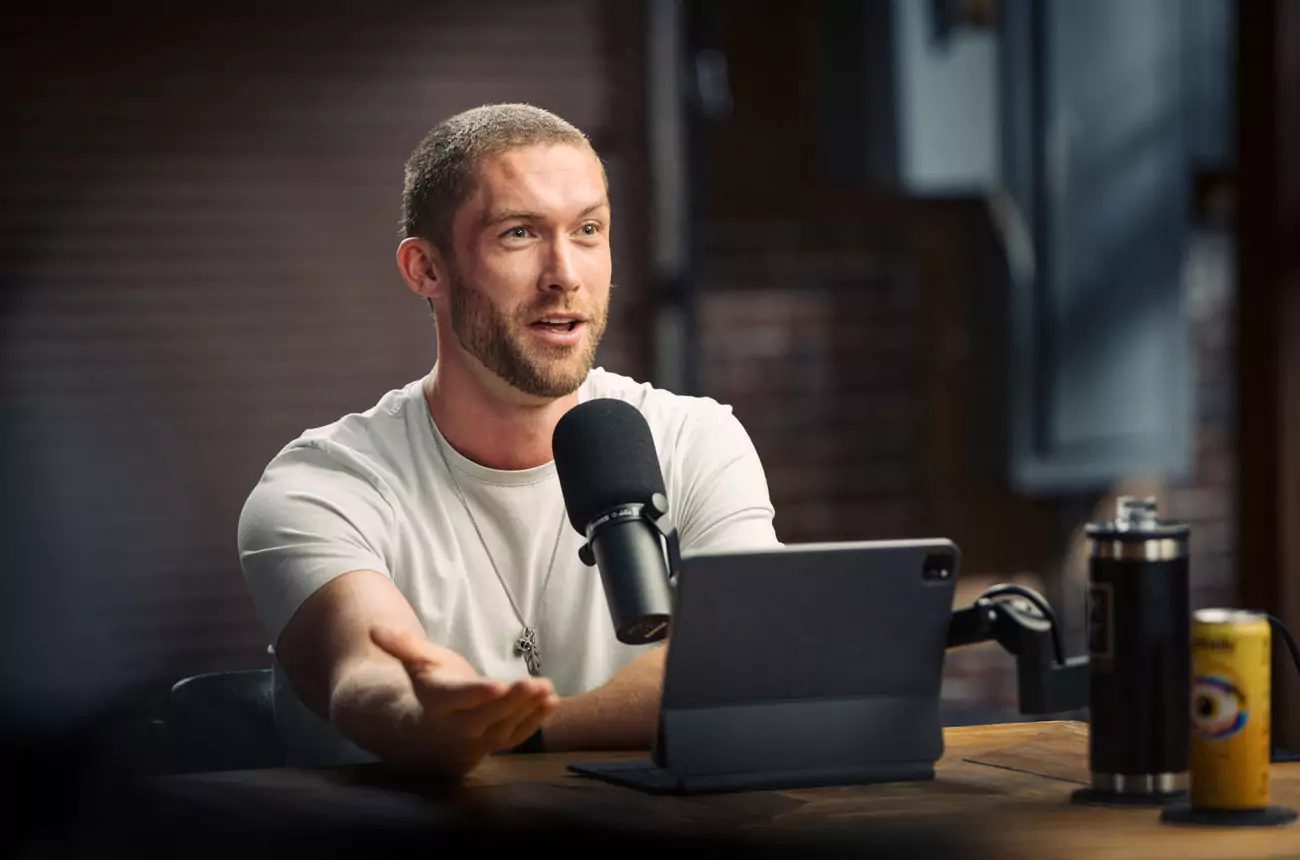
Chris is the host of the Modern Wisdom podcast, which has gained an incredible 400 million downloads since he started back in 2016. He’s recorded over 950 episodes so far, featuring more than 100 New York Times best-selling authors. And with roughly 940 million views, it’s fair to say he knows a thing or two about podcasting.
Mike, my co-founder at GNG Studios, was one of Chris’s early guests. At the time, Chris was a fan of our YouTube channel, The Contrpreprenuer.
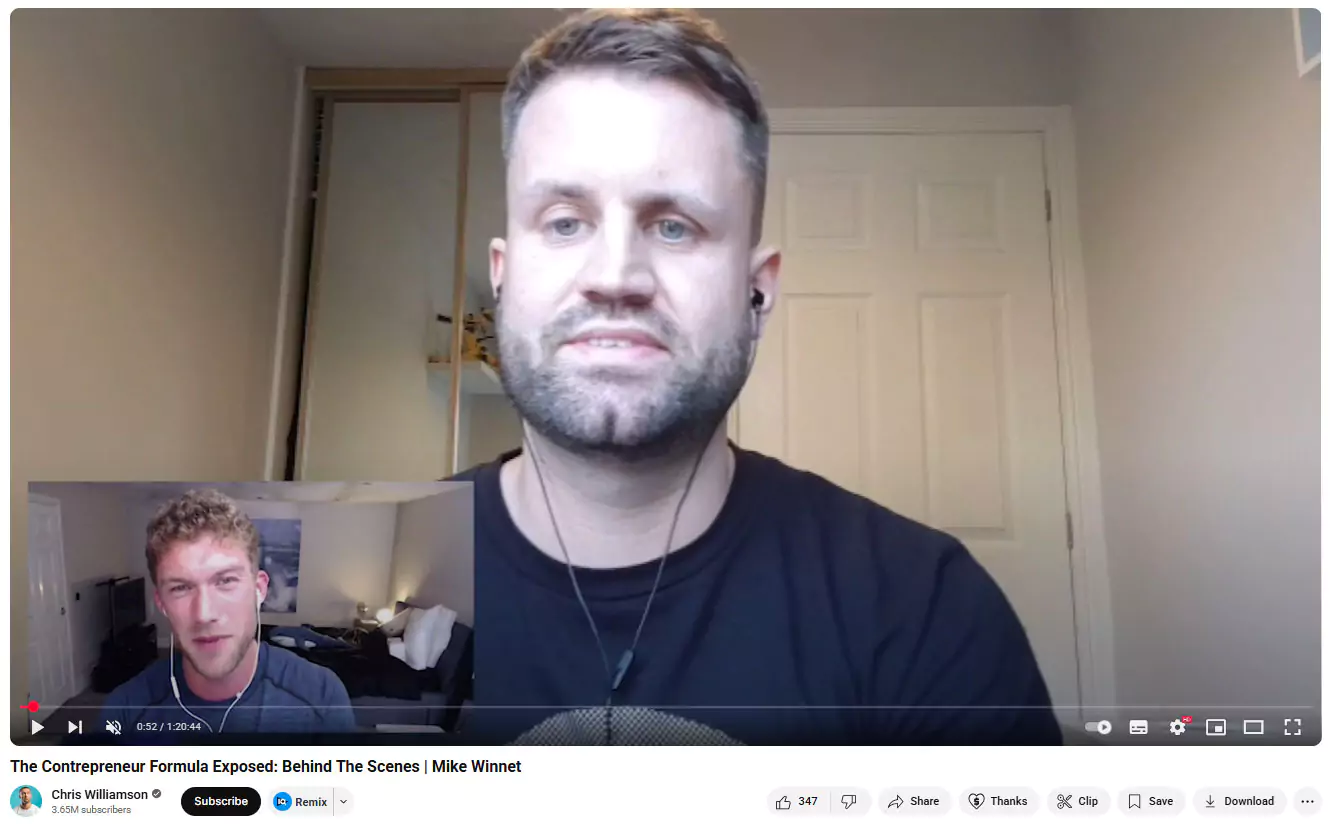
As you can see from the image, neither of them had quite realised the importance of a decent backdrop or proper production quality yet.
But the conversation was great, and a few years on, with Chris now firmly established as one of the UK’s leading podcasters, he was generous enough to answer some questions from our community.
Here’s what we asked him, what he said, and at the end, I’ll share a few key takeaways.
The Interview
First up, we wanted to ask Chris what advice he had for our VAMO community when it comes to starting a podcast.
Why did you start a podcast?
I really enjoyed the process of podcasting and decided I wanted to have more of those conversations. The easiest way to do that was to start my own show.
What is the biggest benefit of starting a podcast?
The thing I enjoy most about podcasting is getting to meet fascinating people I’d have absolutely no chance of connecting with if it wasn’t for the show. The amount of money you’d have to spend to talk to Robert Greene, James Clear, or Ben Greenfield about whatever you want would be astronomical. But for some reason, if you publish it on the internet, they’ll do it for free.
How much time does it take to create your podcast?
Publishing three episodes a week takes about 25 hours of my time. When I first started out, it took me a lot longer. Back then, when I produced one episode a week, it would take me about 10 hours because I didn’t know what I was doing.
Is it expensive to start a podcast?
It doesn’t have to be expensive. You can begin with a USB microphone and the webcam that’s on your laptop or your phone. But, as you start to improve product quality, it can ramp up.
Do you recommend video podcasts or audio only?
As far as I’m concerned it’s really important to do YouTube, so you have to be capturing video content as well. But the more content you capture, the more work it is to edit it and get it on the internet.
Can you get rich quickly from podcasts?
If your goal is to turn a quick profit, I think you’re in the wrong industry. People resonate with podcasts that they’re familiar with and have been around for a while. Joe Rogan has done 1500 episodes (now 2300 episodes since recording this interview). You, with six episodes and a couple of mates on your show, are not going to be able to compete or monetise the same way he is.
How do podcasts make money?
The way that people normally monetise podcasts is through ads. Unless you have direct contact with those advertisers you will have to pay an agency to come in. Those agencies are going to have minimum plays you’ll need to hit. Typically that's between 10-20k unique plays per episode, within 30 days. Which is actually quite a lot.
What’s your best advice for starting a podcast?
The best place to start is by focusing on the show. Grow the show. Don’t think about the money. Continue to find people you’re interested in. Build an audience and monetise it later.
Our Key Takeaway
Chris shared loads of useful insights, but one that really stood out was the idea that podcasting gives you access to guests who might usually charge thousands to speak with you.
That’s been our experience too. And it’s why we often encourage clients to build a ‘dream list’ — a shortlist of ideal customers or strategic contacts they’d love to speak to. For brand podcasts, this can be a clever way to start meaningful conversations with people normally out of reach.
Say you provide cybersecurity services and want to work with a big retail brand. Instead of sending a cold pitch, find someone relevant at that company and invite them on to talk about their experience. Make it a proper conversation, not a sales pitch. If you impress them, you’ve opened the door.
There are loads of other benefits too, of course, but that’s one I thought might not be on your radar.
It’s also clear from Chris’s advice that podcasting is not a shortcut to fame or riches.
That’s why we advise clients not to overly worry about vanity metrics like total views and downloads.
Working on the 1,000 true fans principle, you don’t need a huge audience for this strategy to work. Whether that’s for personal growth, networking, or as a business content marketing strategy, the key is consistency.
Hope you found this resource useful. If you’ve never watched Chris’s podcast before, links are below to check it out.
Where to find Chris Williamson
don't miss a beat
Subscribe to our newsletter and Keep up to date on the latest resources we release.
Featured resources
Your Website Needs These Videos

From company intro to how-it-works, this guide shows what content high-performing websites use to stand out and convert.

Why Most Adverts Don’t Work
Most ads get ignored. Here’s how brands are swapping forgettable campaigns for content people want to watch.

A Guide to Starting Your Own Podcast
Lessons from launching The Overlap and High Performance, and how to make your podcast last.

